To read a lawn mower tire size, find the numbers molded into the sidewall of the tire you need to replace, then check them against the mower’s manual. A common marking such as 15×6.00-6 gives the tire’s nominal outside diameter, width, and rim diameter, in that order. Those numbers start the search for a replacement lawn mower tire, but the load rating, construction, and tread also need to suit that wheel position.
For a mower owner in Burlington, Wisconsin, the practical approach is to photograph the full sidewall, note whether it is a front or rear tire, and identify the mower’s make and model. If a marking is worn or hard to read, the manual can help confirm the specified size. Do not assume that a tire with a similar tread or the same first number will fit.
Where is the lawn mower tire size printed?
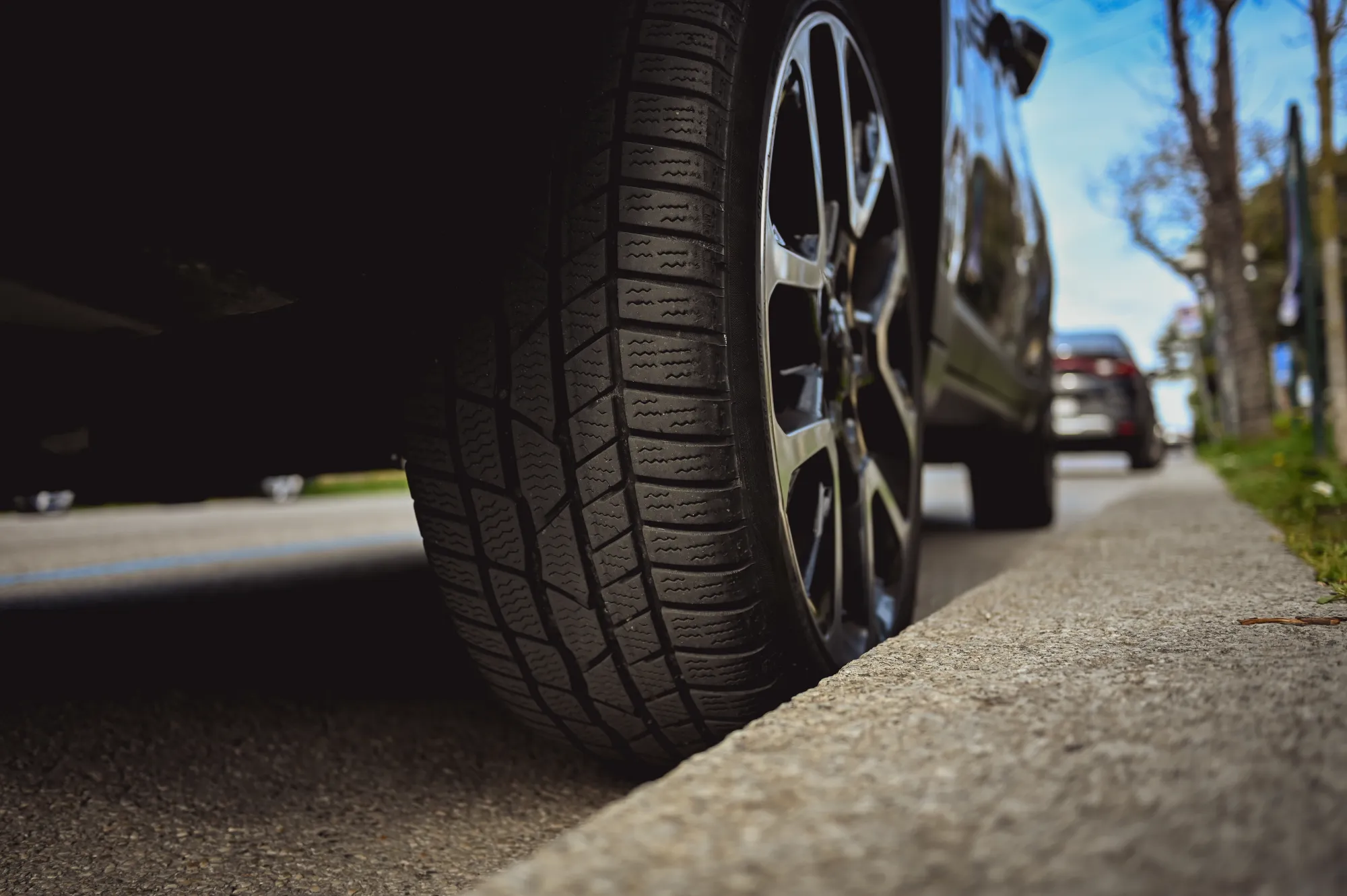
Look on the sidewall, the rubber between the tread and the wheel rim. The size is molded into the rubber, usually among other markings such as brand, ply rating, and pressure information. Check both sides if you cannot see the full code from one side. Wipe away dirt so you can photograph the complete marking rather than trying to recall it later.
Read the tire on the wheel you are replacing. Front steering tires, rear drive tires, and zero-turn caster tires may have different requirements, even on the same mower. Tractor Supply’s lawn equipment guide recommends comparing the sidewall size with the equipment manual and checking the wheel position as well. If the old tire differs from the manual, use the manual’s specified fitment as the reference and ask for help resolving the mismatch before ordering.
What do the numbers in 15×6.00-6 mean?
For this common three-number format, read 15×6.00-6 as:
- 15: nominal overall tire diameter in inches.
- 6.00: nominal tire width in inches.
- 6: rim diameter in inches, measured where the tire seats on the wheel.
The last number is especially important when buying a tire to mount on an existing rim. The first two numbers also matter: a change in overall diameter can affect the mower’s stance, and a wider tire needs enough clearance around nearby parts.
These are size designations, not a promise that a mounted tire will measure exactly 15 by 6 inches. For example, Carlstar’s Turf Saver specifications list one 15×6.00-6 model with a mounted diameter of 14.3 inches and a mounted width of 6.4 inches. Its recommended rim width is listed separately as 4.5 inches. That is why a listing’s mounted dimensions and rim specification are worth checking when clearance or wheel fit is uncertain.
Why isn’t matching the size code enough?
A replacement lawn mower tire must support the load carried at its position on the machine. Compare the prospective tire’s rated load with the mower maker’s requirements, including any approved attachment or load conditions the manual describes. Do not treat a matching size code as proof that the tire’s capacity is sufficient.
The manufacturer specifications show why: Carlstar lists two 13×5.00-6 Turf Saver tires, one with a 2-ply rating and 290-pound rated load and another with a 4-ply rating and 440-pound rated load. Same size, different capacity. A ply rating is a strength classification; it does not necessarily count the physical fabric layers in the tire. Record both the ply or load information on your current tire and the mower manual’s requirements, then compare the actual rated load of any candidate.
Check how the tire holds air, too. A tubeless tire needs a compatible wheel that seals at the bead and valve; a tube-type setup needs the correct tube. A product listing may be for tire only or for a complete tire-and-wheel assembly. The Hi-Run 15×6.00-6 Turf Master listing, for instance, describes a tubeless tire only, without a wheel. If you need an assembly, matching the tire size is only part of the job: axle bore, hub length, and mounting style must fit the mower.
When fitting an air-filled replacement, use the mower manufacturer’s recommended operating pressure. The pressure printed as a tire’s maximum is not automatically the right setting for the machine. If the manual and tire markings seem to conflict, ask the shop to check them before inflation.
How should you match the tread?
Start with the tread and wheel position the mower maker specifies. On grass, turf patterns are designed to limit scuffing while providing traction. Smooth or ribbed tires can suit some front steering wheels or caster assemblies, where rolling and steering are priorities. Deeper lug patterns may provide more grip on loose or uneven ground, but an aggressive pattern is not automatically the best choice for a lawn.
A photo of the old tread helps describe what is currently fitted. Still, compare its intended use with the manual rather than copying a possibly mismatched old tire. Tread choice should follow the mower’s role and the ground it actually crosses, while the size and load requirements remain fixed by fitment.
What should you bring when asking for a replacement?
A short set of details lets the shop check candidates without guessing:
- A clear photo of the entire size code and other sidewall markings, including ply or load information and tube or tubeless wording if present.
- The mower’s make, model, and the position of the tire you are replacing: front, rear, or caster.
- The relevant tire specification from the owner’s manual, especially if it differs from the installed tire.
- A photo of the tread and an explanation of the ground where the mower is used.
- Whether you need a tire for your existing wheel or a complete tire-and-wheel assembly. For an assembly, bring the wheel or its axle bore, hub length, and mounting details if you have them.
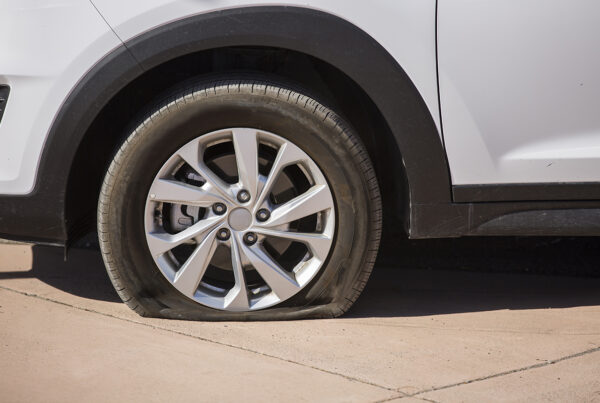
If a leak is the reason you are shopping, the question of whether a flat tire needs repair or replacement is worth settling before you choose a new tire; that article discusses road tires, so have the mower tire and wheel assessed on their own terms. Performance Tire & Auto Service says it stocks lawn mower tires in Burlington; the shop can use these details to check a suitable option and give a current quote.